


Know Blue Tea: Origins, Brewing Secrets & Health Benefits


You must have heard about blue tea, a unique beverage that has been enchanting tea drinkers with its magical color-changing properties. But besides the vibrant blue color and distinct characteristics, let us unravel how blue tea originated, its different types, and the potential blue tea benefits it offers.
Read on to the end because we've also left a secret recipe to brew the perfect cup of blue tea.
What is Blue Tea?
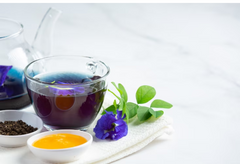
Did Blue Tea Originate in Darjeeling?
Blue Tea Recipes and Other Cultural Uses

The bright colored petals of the Cordofan pea flowers imparts a distinctive saphhire blue color and is used in culinary traditions of South East Asian kitchens such as the Malaysian dish Nasi Kerabu.
In countries like Thailand and Vietnam too, blue pea flower tea is relished with honey and a drop of lemon as refreshment known as nam dok anchan.
Recently, through the power of media and show such as Shark Tank, blue tea has gained global popularity as a beverage worth drinking. Darjeeling, naturally abundant is pea flowers then stepped in to offer it's premium quality blue tea blend to the whole world.
The Captivating Flavor and Aroma of Pea Flower Tea
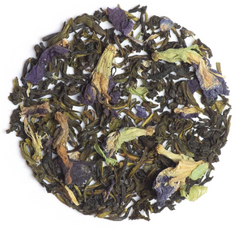
Blue Tea boasts a sophisticated flavor profile that lures tea aficionados with every sip. It is celebrated for its smooth and well-rounded taste, which lies somewhere between the delicate freshness of green tea and the rich, complex notes of black tea. The tea imparts a subtle floral aroma, evoking the essence of the lush Darjeeling gardens.
How does blue tea taste?
The flavor of the tea has been described as earthy and woody similar to fine green tea more than Blue Curacao. At the end of the article, we have also shared a secret recipe using pea flowers, so read on.
Health Benefits of Blue Tea

Beyond its alluring taste and aroma, Blue Tea offers a range of health benefits that make it a popular choice among tea lovers seeking both pleasure and wellness. Here are some noteworthy advantages.
1. Blue Tea Is Rich In Antioxidants & Free Radicals
2. Pea Flower Tisane Boosts Metabolism
3. Drinking Blue Tea Promotes Digestive Health
4. Anti-inflammatory Properties
5. Potential Cognitive Benefits
Some studies suggest that the flavonoids present in blue tea may have neuroprotective properties, which could support brain health and cognitive function. with a moderate amount of caffeine, Darjeeling Blue Tea can help improve focus, mental alertness, and overall cognitive performance.
Types of Blue Tea
b. Blended Blue Tea: Blue tea is often blended with other ingredients to create unique flavor combinations. Common additions include lemongrass, ginger, mint, or citrus fruits, which add complexity and depth to the tea.
Are There Any Side Effects of Drinking Blue Tea?
Brewing Blue Tea: How to make blue tea?
- Take 1 teaspoon of Blue Tea and add it to your teapot
- Bring the water to boil
- Once the water reaches a rolling boil turn off the heat
- Add the water to the teapot and cover the lit
- Let your pea flower tea brew for 3-4 minutes
- Your blue tea is ready! Pour it into a tea cup
- Add a drop of lemon and watch the magic unfold as the color turns pink
- Enjoy with your sweetener of choice or just as it is
Brewing Secrets for the Perfect Cup of Blue Tea:
Although blue tea can be enjoyed when steeped in cold warm or hot water, there are certain considerations to keep in mind that can really elevate the natural flavors of the tea. Keep these brewing techniques in mind so that you can make the best cup of blue tea every time. To fully appreciate the exquisite flavors and delicate nuances of Darjeeling Blue Tea, proper brewing techniques are essential. Here are some tips to help you achieve the perfect cup:
- Water Temperature: Optimal water temperature plays a crucial role in unlocking the tea's flavors. Brew Darjeeling Blue Tea between 190°F to 200°F (88°C to 93°C) for approximately 3-5 minutes.
- Tea-to-Water Ratio: Use around 1 teaspoon (2 grams) of loose tea leaves per 8 ounces (240 ml) of water. Adjust the ratio according to your preference.
- Infusion Time: Steep the tea for 3-5 minutes, allowing it to unfurl and release its unique flavors gradually
- Experimentation: Feel free to experiment with steeping times and water temperatures to personalize your brewing experience and find your perfect balance.
BONUS
If you've reached here, we're giving away our secret recipe:
Secret Blue Tea Recipe:
1. Bluechai Delight
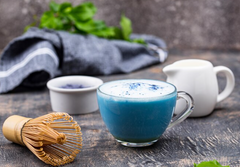
You will need a Hot Infusion: Brew blue tea, steep a handful of dried butterfly pea flowers in hot water for about 3-5 minutes. The longer the steeping time, the deeper the blue color will be. Add in steamed milk, honey, mint, cinnamon, passion fruit, and ginger. Add a drop of lemon for the unmissable color change from purple to pink and enjoy in your favorite tea mug!
2. Blue Boba Matcha Lemonade
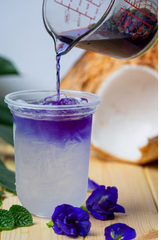
Did you know that blue tea can also be enjoyed as a refreshing iced tea?
Make a Cold Infusion:
- Steep the flowers in cold water for a few hours or overnight in the refrigerator.
- In a tea bowl add matcha green tea and mix it gently with some water
- Add soaked tapioca pearls to a tall and aesthetic lemonade glass
- Pour in the green tea and blue tea
- then add ice and a squeeze of lemon for a delightful twist.
FAQs about Blue Tea
Recent Blogs


Giddapahar Tea Estate: The Story Behind One of Darjeeling's Rarest Gardens
A cliff, a family, and a hundred years of tea...


Five Immunity Boosting Detox Teas To Start Your Fitness Journey
Every fitness journey begins with small, repeatable habits. Before the...


Second Flush 2026: What It Is, Why It Matters, and How to Choose Yours
Second Flush 2026 has arrived — Darjeeling's celebrated summer harvest,...


1 comment
where can i buy locally
Leave a comment