


I found the first flush really authentic and full of aroma and palate of darjeeling tea that delighted every sip.
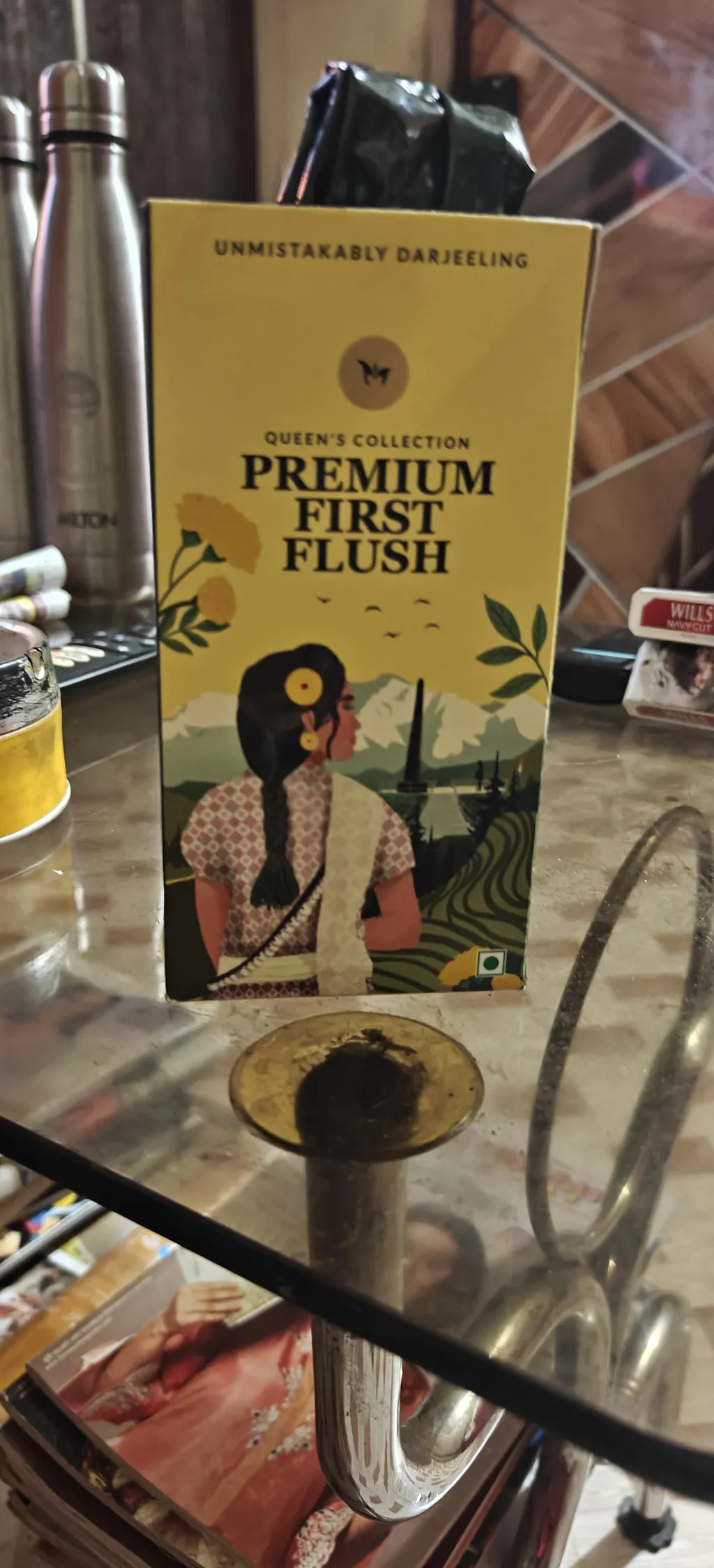
Very nice tea , good taste and nice smell .


Although tea "Camellia" sinensis" was colonized as a plantation crop and mass-produced for European consumption, it is not new to the Himalayan region. The valleys of Yunnan had been cultivating tea in their fields for their subsistent consumption since ancient times. So, tea had been consumed in various forms throughout civilizations and empires around the Himalayan Valleys. One such variety was Kahwa, which has been widely consumed throughout the Arabian and West Asian regions. Let’s find out everything about Kashmiri Kahwa.
In Kashmiri, “Kahwa” means “sweetened tea” It might also be derived from the Arabic word “qahwah” which is a word for coffee. So, kahwa is a green tea flavored with various spices, saffron, nuts, and sweetened. Traditional Kashmiri tea is prepared in a “Samovar”, a brass kettle that originates in present-day Russia. The Kashmiri People make huge quantities of tea and keep it in a coal-fired vessel. It remains warm for a prolonged period and people sip it as the day progresses, especially during the cold winter months.
The exact history of Kashmiri Kahwa is debated. The tea leaves are said to find their way to Kashmir through the Spice Route. Many historians also believe that Kashmiri Kahwa originated during the rule of the Kushan Empire around 1 -2 AD.
This popular beverage is prepared by boiling green tea leaves and infusing them with spices such as Kashmiri saffron, cloves, cardamom, and sometimes cinnamon. People also add rose petals to their tea. The tea is then sweetened with honey and then topped with slivered dried nuts such as walnuts, almonds, and pistachios. Some people also prefer to prepare Kahwa as an herbal infusion of spices without any green tea. Traditionally, Kashmiri Kahwa tea is prepared in Samovar. There is a central cavity in the “Samovar” for placing hot coal, and around it, water is boiled and ingredients are added to prepare this special Kehwa Chai with a delicate taste. The Samovar with the live coal helps to keep the tea perpetually hot.
Kashmiri Kahwa tea is packed with natural ingredients that have been known to soothe the body and have many health benefits. Adding spices to the brew enhances the beneficial qualities of the tea and makes it an instant reliever for body-aches in the cold Himalayan climate. Kahwa also cleanses the digestive system and keeps cholesterol levels in check for a healthy heart. The tea helps in the generation of body heat, and regulation of blood pressure and acts as a remedy for cough and cold. So you should try to include it in your lifestyle.
Also Read: 5 Immunity Boosting Detox Teas To Start Your Fitness Journey
This traditional beverage from the Himalayas is a great drink for cold winter days. Even though you might not have a copper or brass Samovar, you can easily prepare Kashmiri Kehwah at home with a few ingredients. Enjoy it throughout the year as a pick-me-up after work or a celebratory beverage during festivals.
Here is A simple recipe for Kashmiri Kahwa for serving 2 people
| INGREDIENTS YOU NEED |
|
Using the best quality ingredients makes all the difference. The Kashmiri variety of green tea work best for an authentic kehwa, but you can also substitute it with other varieties such as Darjeeling green tea. It is also important to use good quality saffron which has not been adulterated. You may substitute honey with sugar or drink your tea without any sweetener. Trying a variety of nuts such as pistachios also works well.
Also Read: How To Brew The Perfect Masala Chai
Don’t have the time to shop for every ingredient. You can easily shop for pre-packaged Kashmiri kahwa blends online. There are sellers on Amazon that you can buy from. Do verify authentic sellers and check reviews before buying tea online.
Kashmiri Kahwa should not be confused with Sheer chai or Noon Chai, which is the traditional Kashmiri pink tea prepared using gunpowder tea, milk, and baking soda.

 June 16, 2026
Second Flush 2026 has arrived — Darjeeling's celebrated summer harvest,...

 May 06, 2026
A Day For Tea Lovers Everywhere Every year on May...

 July 30, 2025
আপনি যদি চা প্রেমী হন এবং দার্জিলিং চায়ের সুগন্ধি স্বাদ...
Leave a comment